



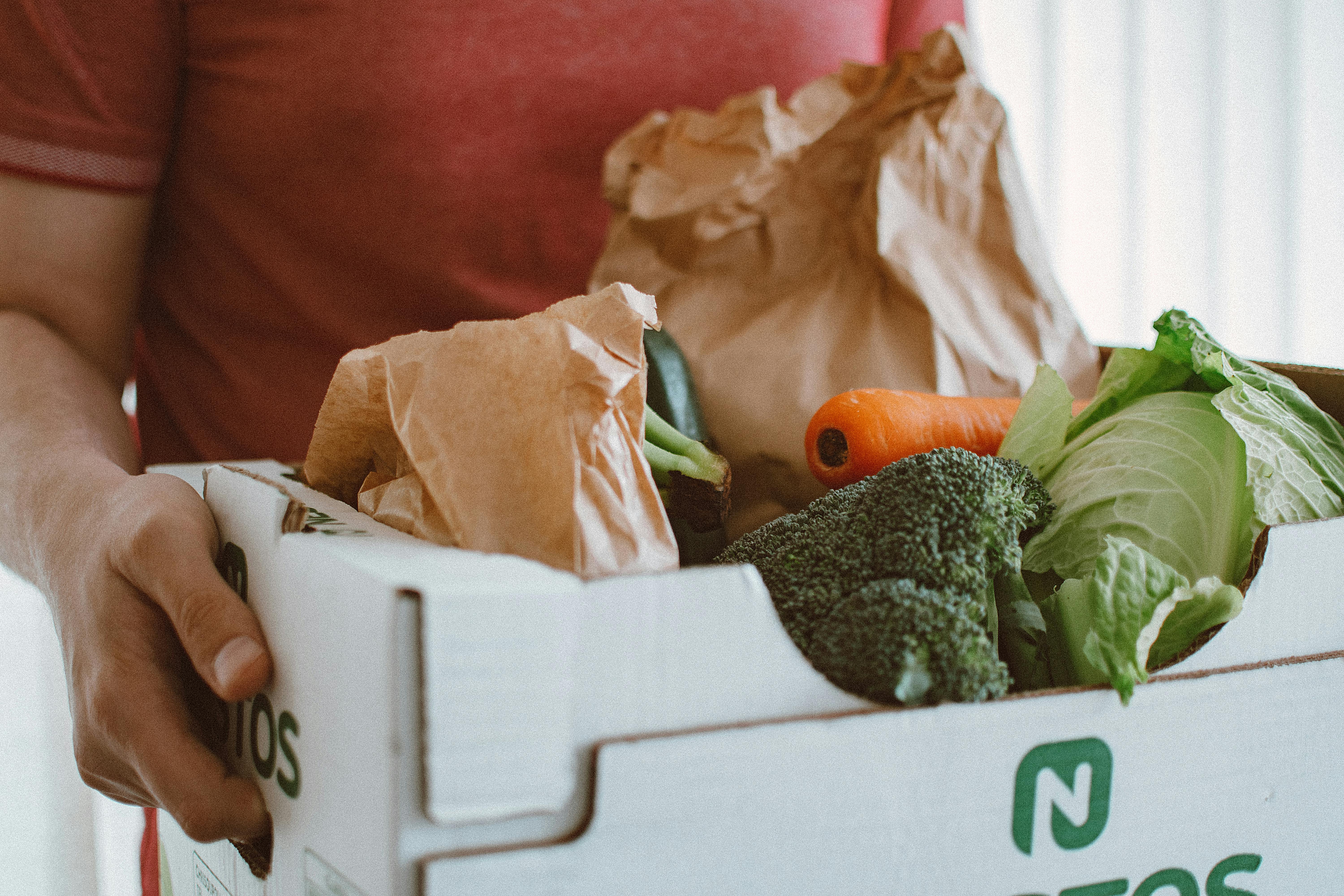
Did you know our planet’s population may reach 10 billion by 2050?
As a result, the increase in demand for food, fashion, travel, and housing means that understanding how our lifestyle choices impact the world around us is essential for a sustainable future.
Now’s the perfect time to test your knowledge on the topic of sustainable living. Scroll down to slowly reveal the correct answer. Good luck!
True or False? LED bulbs use at least 75% less energy than incandescent ones.
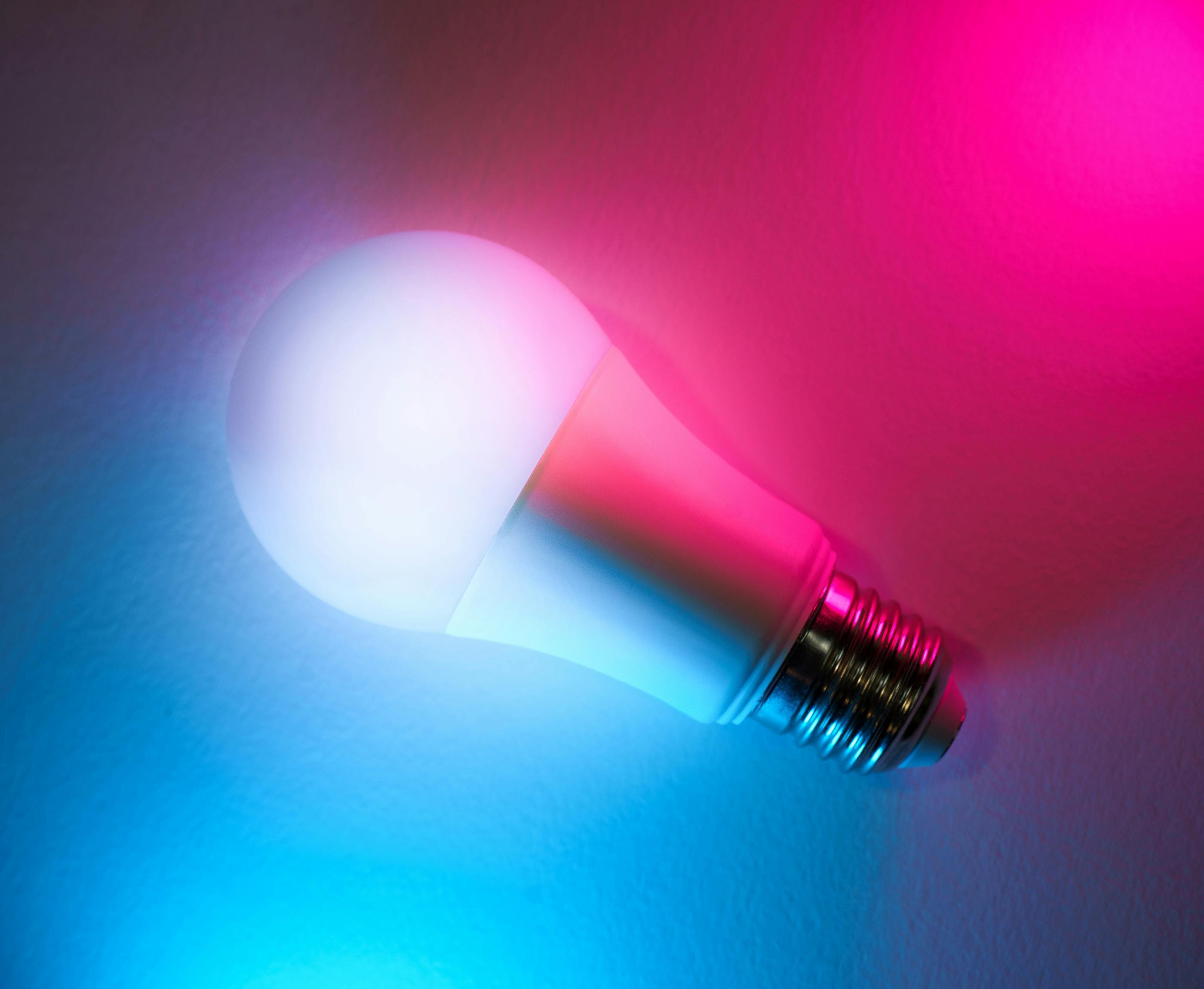
True. Not only do they use at least 75% less energy, they last up to 25 times longer too. Source: International Energy Agency
True or False? Last year, more than 20% of new cars sold worldwide were electric.
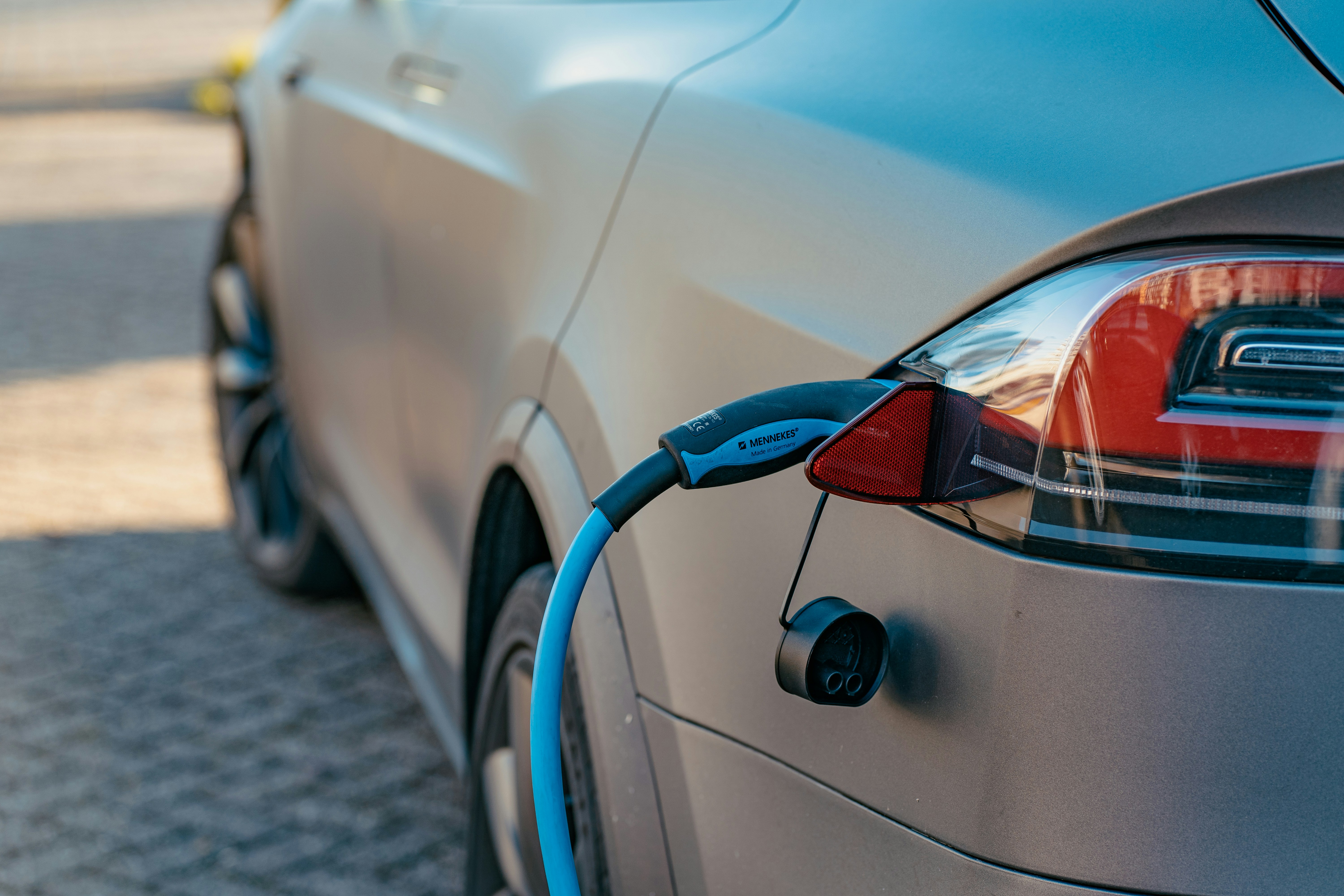
True. An impressive 17 million electric cars were sold in 2024 and it’s set to grow again this year. Source: International Energy Agency
True or False? Bamboo is always a sustainable fabric choice.

False. Whilst fast growing, bamboo often undergoes chemical-heavy processing to be turned into a fabric. Source: National Institute of Fashion Technology
True or False? Glass is infinitely recyclable without losing quality.
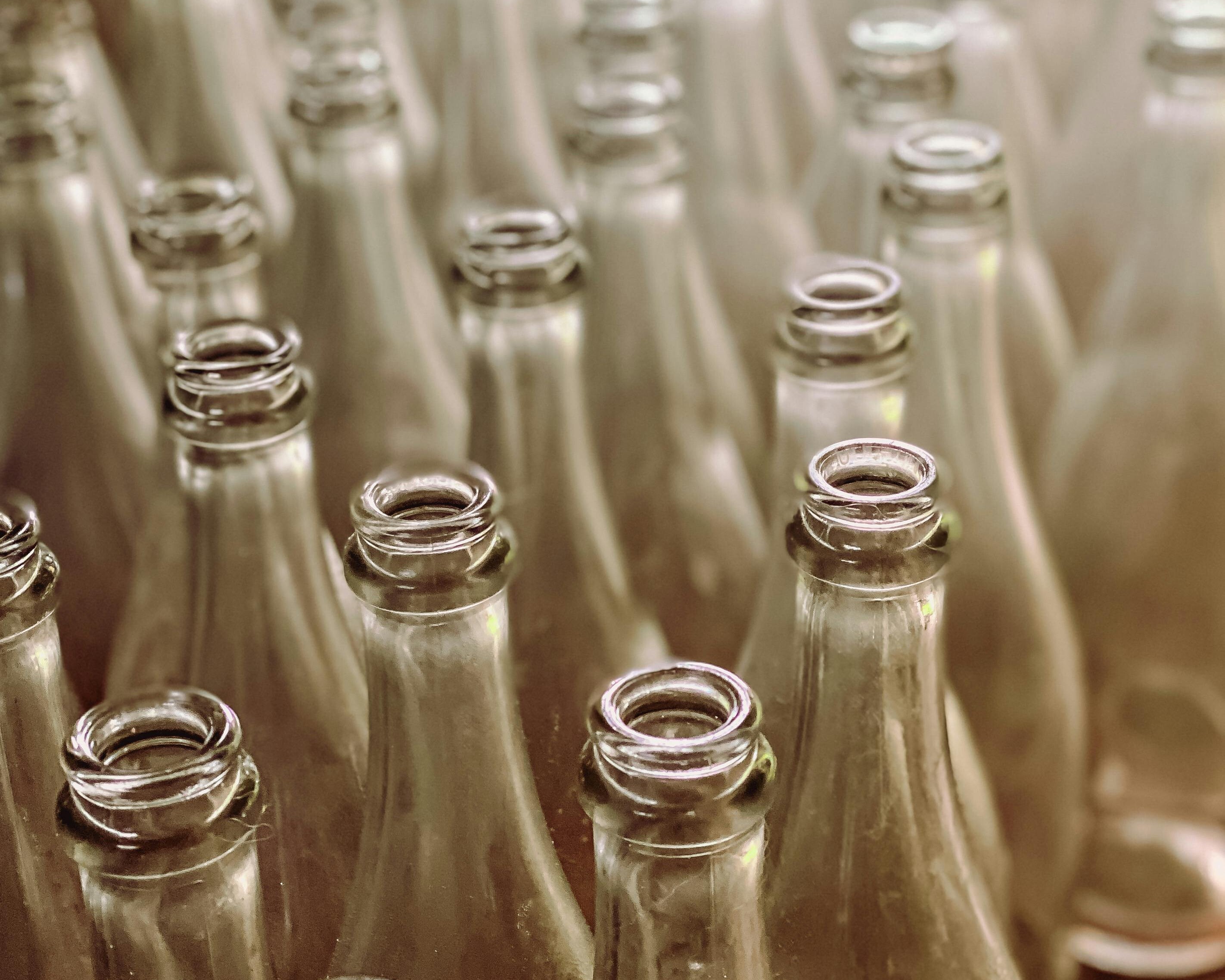
True. Unlike plastic, glass can be recycled endlessly without degradation. Source: RecycleNow
True or False? International flights and maritime shipping combined produce more carbon emissions than the fashion industry.

False. It’s the other way around! 10% of global carbon emissions come from the fashion industry. That’s roughly double the emissions from flights and shipping combined. Source: United Nations Environment Program
True or False? Eating less meat is one of the most effective ways to reduce your carbon footprint.
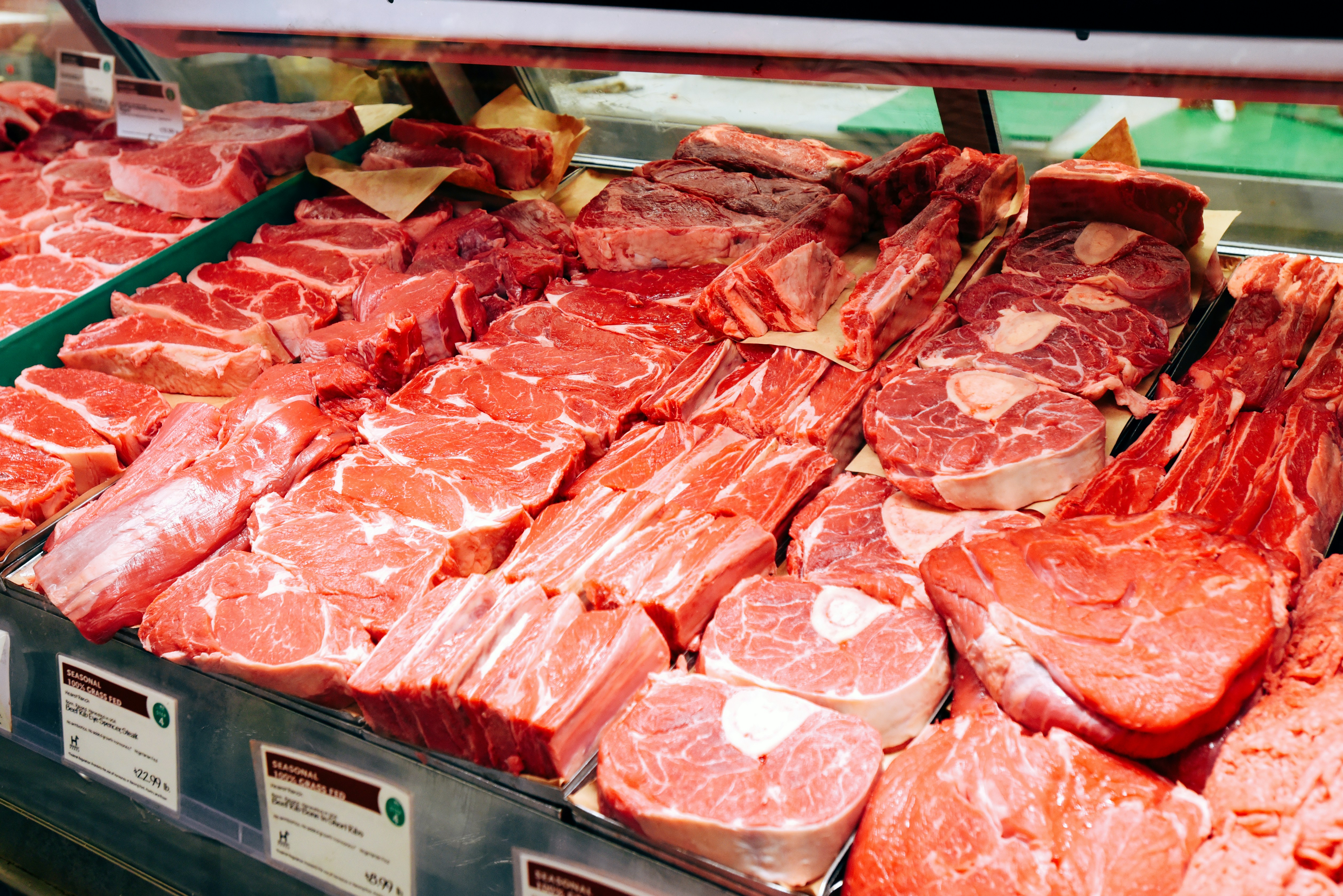
True. By cutting your daily meat intake by half*, you can reduce your footprint by 35%, saving almost a tonne of carbon dioxide a year. *based on reducing protein intake from meat from 100g to 50g. Source: University of Oxford
That's a wrap! How many did you answer correctly?
There's always more to learn about sustainable living so check out the events planned during Climate Week NYC and meet likeminded individuals.