



By David Calabrese, Executive Vice President, Daikin U.S. Corporation
In my work with businesses, policymakers, and others across the energy sector, I hear one question again and again: How can we manage our electricity supply to keep our world running? Cooling demand is rising, data centers are expanding, and many of our homes, buildings, and transportation systems are becoming electric. But when we talk about meeting that demand, we often focus on one side of the equation—producing more energy—while we should ask how we can use less energy to do the same things.
This is where energy conservation and energy efficiency comes in.
1. We need more energy. But we also need to use it better.
We all do the same thing when a very hot day arrives: we turn on the AC.
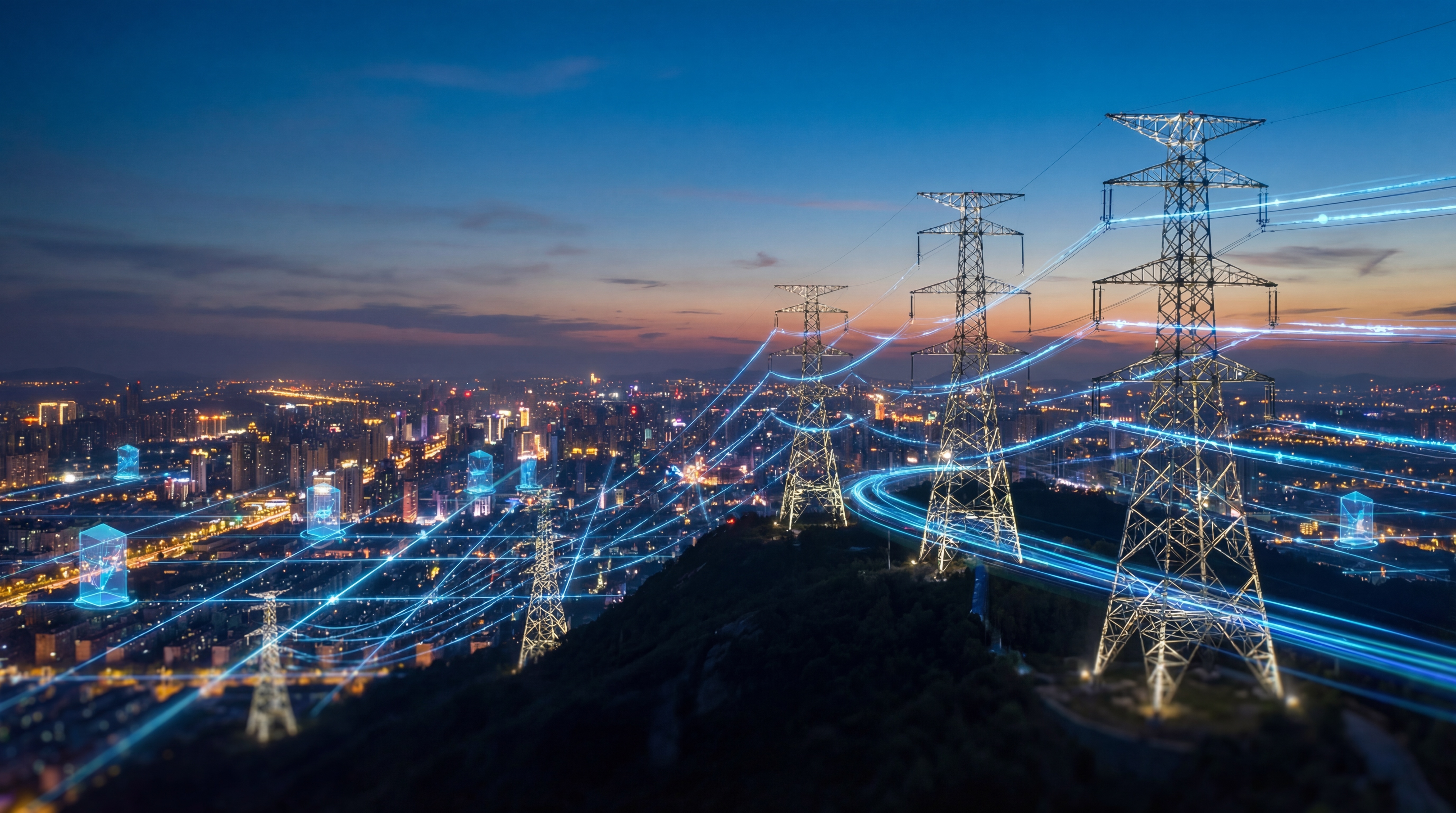
Now imagine millions of homes, offices, stores, and factories doing the same thing at the same time. Meanwhile, data centers are expanding, manufacturing is using more electricity, and more vehicles and buildings are becoming electric.
All of this can put pressure on the energy grid, especially during extreme temperatures when millions of people may be using more energy at the same time. Think about what happens when you plug too many appliances into one outlet: eventually, something has to give. Now imagine that happening across millions of homes and buildings at once.
Yet, we cannot solve energy challenges by simply asking for more electricity whenever demand rises.
We must look at how efficiently we are using the energy we already have.
For families, using less energy can help manage the monthly energy bill. For businesses, it can help manage operating costs. And when many buildings become more efficient, it can help limit pressure on the broader electricity system.
Energy efficiency may not be as visible as a new power plant or transmission line, but it is a practical part of the solution to a strained grid.
2. Efficiency should not mean giving up comfort.
When people hear the request to “use less energy,” they may think about setting the thermostat higher or sacrificing comfort. However, technology gives us more options.
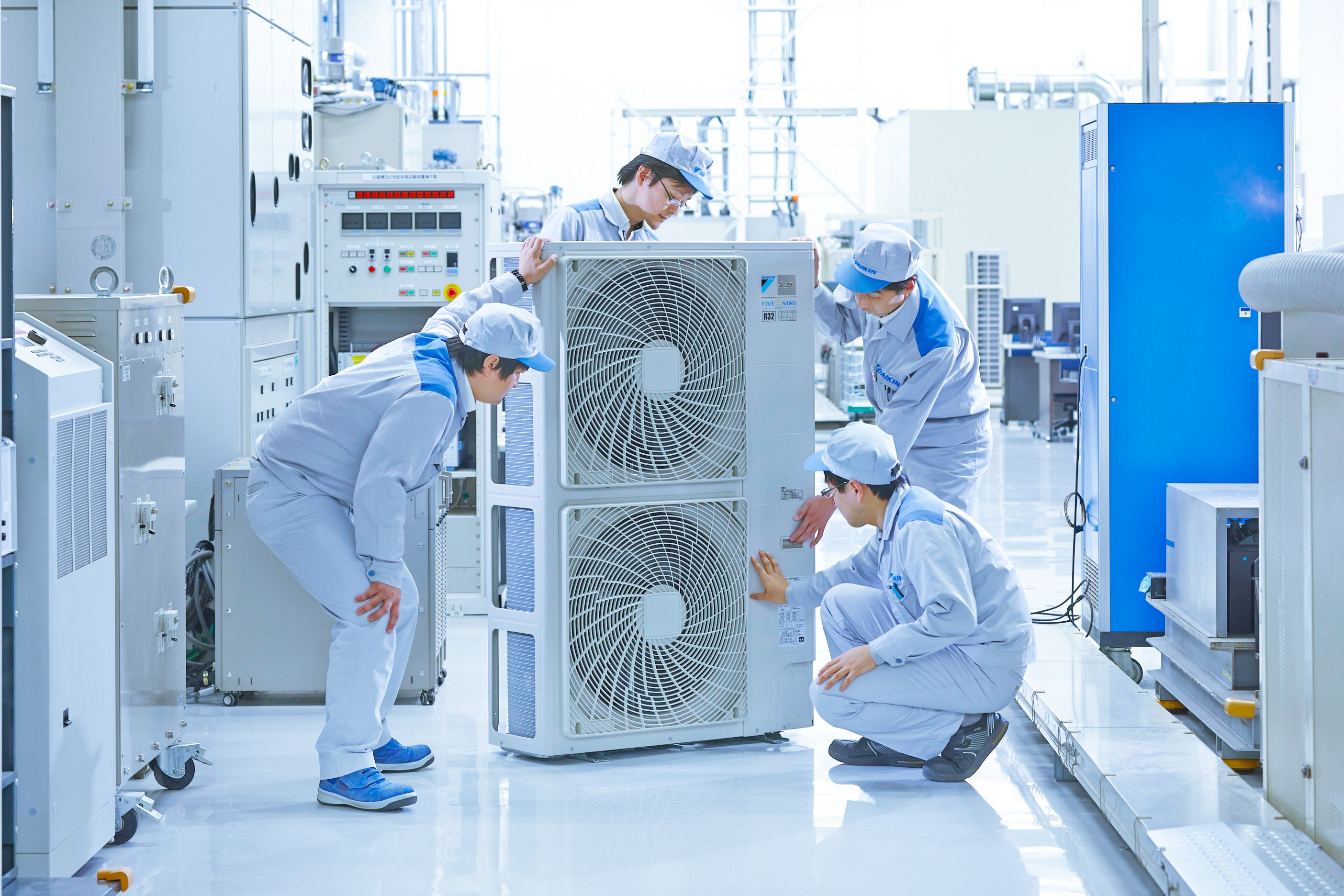
However, there are technologies available that can manage your energy usage without sacrificing comfort. Inverter technology is a great example. An inverter compressor allows equipment to adjust its output based on the required output. If the outside temperatures are moderate and a room needs less cooling, the system can slow down rather than continue running at full capacity.
Heat pumps combined with an Inverter Compressor also offer another opportunity. They use electricity to move heat rather than create heat by directly burning fuel in the unit. This can make heating and cooling efficient while also supporting the shift toward electrification. New technologies can also make buildings smart through connected systems that monitor conditions and adjust heating and cooling as needs change.
For the person in the room, nothing really changes. They are comfortable and are unaware of the consistent flowing change behind the scenes. The technology is doing the work in the background, so humans do not have to think about it.
3. We will need to work together.
Technology can help us use energy efficiently, but only so far. People still have to choose it, invest in it, and make sure it is used well.
It takes everyone doing their part. Companies can develop energy efficient equipment. Governments can create energy efficiency standards that encourage the development of efficient technologies and manage overall energy use. Utilities can help manage changing electricity demand. Building owners can invest in more efficient systems. When working together, it becomes easy to deploy efficient technologies in more buildings and to make an impact across the energy system.
We need all these pieces.
This is one reason I am pleased that Daikin is partnering with Climate Week NYC as a Climate Group Gold Partner this year. Climate Week brings together people from business, government, finance, technology, and many other areas. It is an ideal forum to have an honest conversation about what is working, what is not, and what we need to do next. I will be part of that conversation on September 21, 2026, at Climate Week NYC – The Hub Live, joining the flagship session “Straight Talk, Reality Check: How Do We Keep the Lights on in an Uncertain World?”
That question is bigger than any one company. We need new energy sources and infrastructure, but we also need to make efficient use of the energy we already have. And that starts in the places where we use energy every day—in our homes, businesses, and buildings.
If we can make those places efficient without asking people to sacrifice comfort, we can take some pressure off the grid while making efficient use of the energy we have. That is a conversation worth having at Climate Week NYC, and one I look forward to being part of.