



Healthy natural systems are essential to life, livelihoods and long-term resilience. Ahead of Climate Week NYC (September 20 – 26), we spoke to Dr. Krithi Karanth, a conservation scientist and CEO of the Centre for Wildlife Studies, and Adjunct Professor at Duke University. Working at the intersection of biodiversity, communities, livelihoods, and policy across India, she has spent nearly three decades developing an approach to climate action that supports both nature and people.
Dr. Karanth reflects on why healthy ecosystems are fundamental to resilient communities, how interconnected people and nature are, and why hope lies in the growing movement of people working for nature.
Climate and biodiversity can often feel like distant challenges. What are the first changes people notice when ecosystems come under pressure?
The first thing people notice isn't necessarily the loss of nature or biodiversity. It's disruption to their everyday life. Floods, wildfires and heatwaves are happening globally but there's always a psychological distance until it reaches our own doorstep. The difference is that for some communities it's an inconvenience, while for others it's their livelihood, food security and future. We need to spend less time managing recurring crises in an emergency response mode and much more time planning for resilience. Nature isn't separate from us, protecting it is how societies stay resilient.
The good news is that the changing climate is making more people care about nature today than ever before. As this community grows, so does our capacity to develop new ideas, innovate and build partnerships that protect the natural systems that sustain us all.
Throughout your career you've argued that the future of nature and of people is deeply connected. Was there a particular moment that changed how you approach climate action?
There've been many, but two stand out.
One comes from working with children through our conservation education programmes. Watching children become excited, curious and genuinely connected to the ecosystems and biodiversity around them reminds me that climate action doesn't always have to be complicated. Sometimes simple experiences can inspire lasting change, especially when they reach thousands of young people.
The second comes from my time with wildlife. Nature constantly teaches me how alike we are.
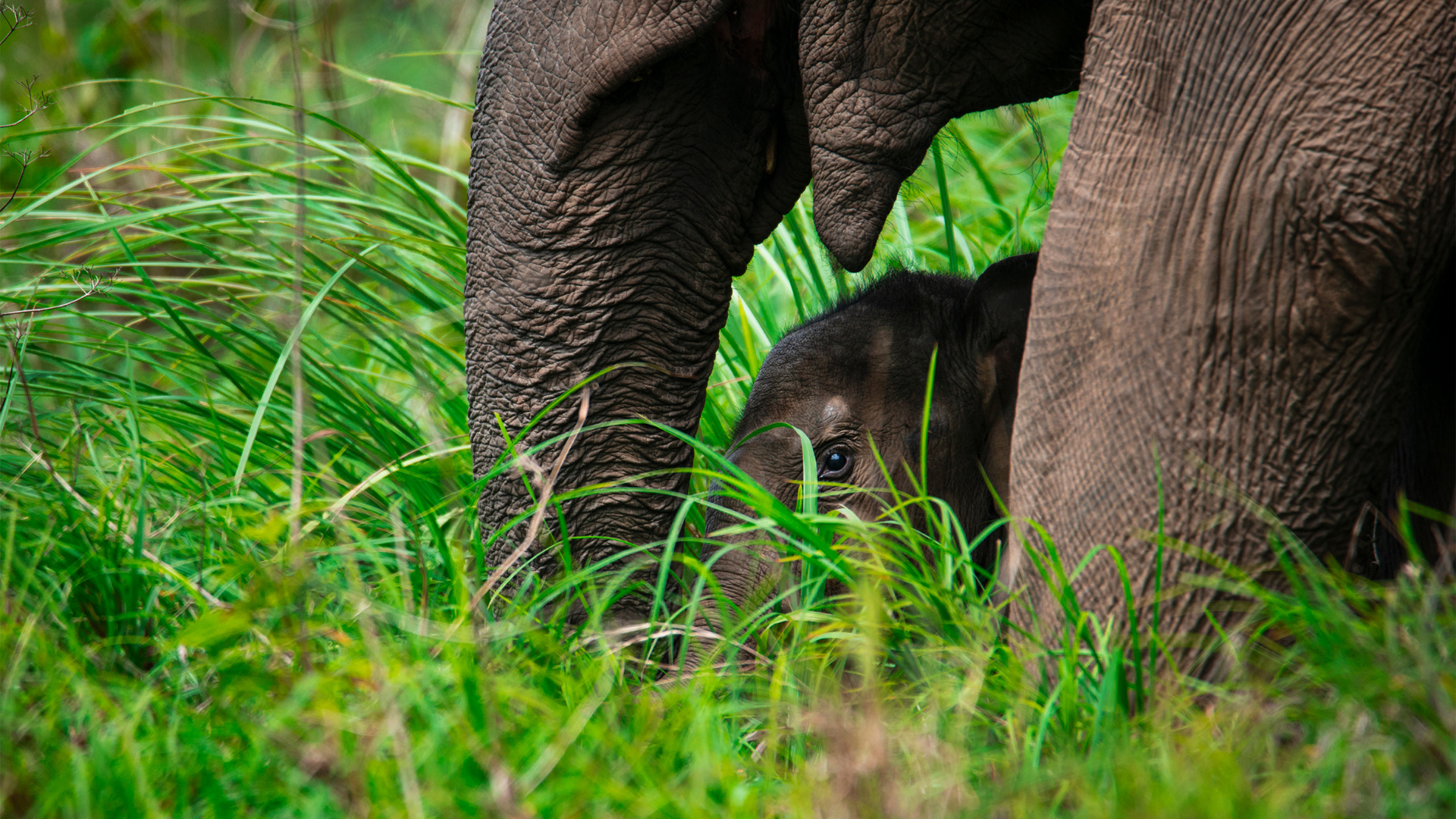
Whenever I watch elephant families protect their calves or remain beside a deceased family member for days, it reminds me just how much we share with the rest of nature.
India faces the dual challenge of supporting economic development while protecting biodiversity. What approaches have you seen work, and what could other countries learn?
Sustainability is often strongest when it's already embedded in everyday life and culture. Across India, reusing, repairing and passing things on has long been part of daily life. While this isn’t always seen as climate action, the culture of reuse is something many could learn from as they rethink waste and consumption.
Another lesson is scale. When you're designing environmental solutions in India, you're rarely designing for a few thousand people, it's for millions. That forces you to make solutions practical, affordable and simple enough to work across enormously diverse communities.
You've worked across India and the United States. Which ideas travel well across borders, and where do local contexts matter most?
Science often travels well. The principles behind conservation, restoration or monitoring biodiversity are broadly applicable.
However, every landscape has its own ecological, cultural and social realities. Climate action succeeds when local knowledge is treated as part of the solution rather than an afterthought. Communities understand their landscapes in ways that others often don't. The best ideas combine science with local lived experience.
As changing landscapes and seascapes reshape communities around the world, which local conversations deserve greater global attention?
One challenge is simply whose stories get heard. Many important local perspectives never travel beyond their immediate communities because of barriers like language, access and limited platforms to share them. India has a unique situation of millions of people living alongside some of the most diverse landscapes and water systems on Earth, and many communities hold generations of knowledge about the ecosystems around them. This means climate action cannot only be shaped by scientists and policymakers; it must also include the knowledge of farmers, fishers, and forest-dependent communities – the key stakeholders, who have observed these ecosystems changing over generations.
The second challenge is how stories are told. Today's media environment often rewards dramatic crises and short-form content. We need deeper, more consistent storytelling that explains how ecosystems support people's lives over time, not only when disaster strikes.
This year has brought prolonged heat and delayed monsoons across parts of India. What impacts are you seeing?
Whether you're living in New York or rural India, climate change is reshaping daily life, and the difference is that for many communities, it directly determines whether families can earn a living and put food on the table. At the Centre for Wildlife Studies, we work with more than 10,000 farmers through Wild Carbon, our agroforestry programme that encourages local livelihoods while also reforesting lands. This year, because rainfall has become so unpredictable, communities are delaying tree planting or changing their plans altogether. It's a small example, but it reflects a much bigger reality.
Climate change is making planning increasingly difficult, and the uncertainty affects ecosystems and people's livelihoods all at once.
Businesses increasingly recognise that resilient supply chains depend on healthy ecosystems. Where can companies make the greatest contribution?
Businesses have an important role to play. The question shouldn't be whether business belongs in climate action, but: what problem can we to solve together? When companies support long-term ecosystem health alongside local livelihoods, they strengthen both communities and their own resilience.
Looking ahead ten years, what gives you hope?
The biggest reason for optimism remains the same: more people, corporations, scientists, and institutions care about nature today than ever before. More young people are becoming advocates. More photographers, filmmakers, communicators and citizens are helping people understand why biodiversity matters. This growing movement will be critical in securing a better future for us all.
Nature, Land and Oceans is a key theme at Climate Week NYC, it explores the link between life, livelihood and resilient natural systems and biodiversity. You can explore all the events on the theme via the event calendar on our website.